Vlaška
Coastal beach in Milna, Split region · view on map
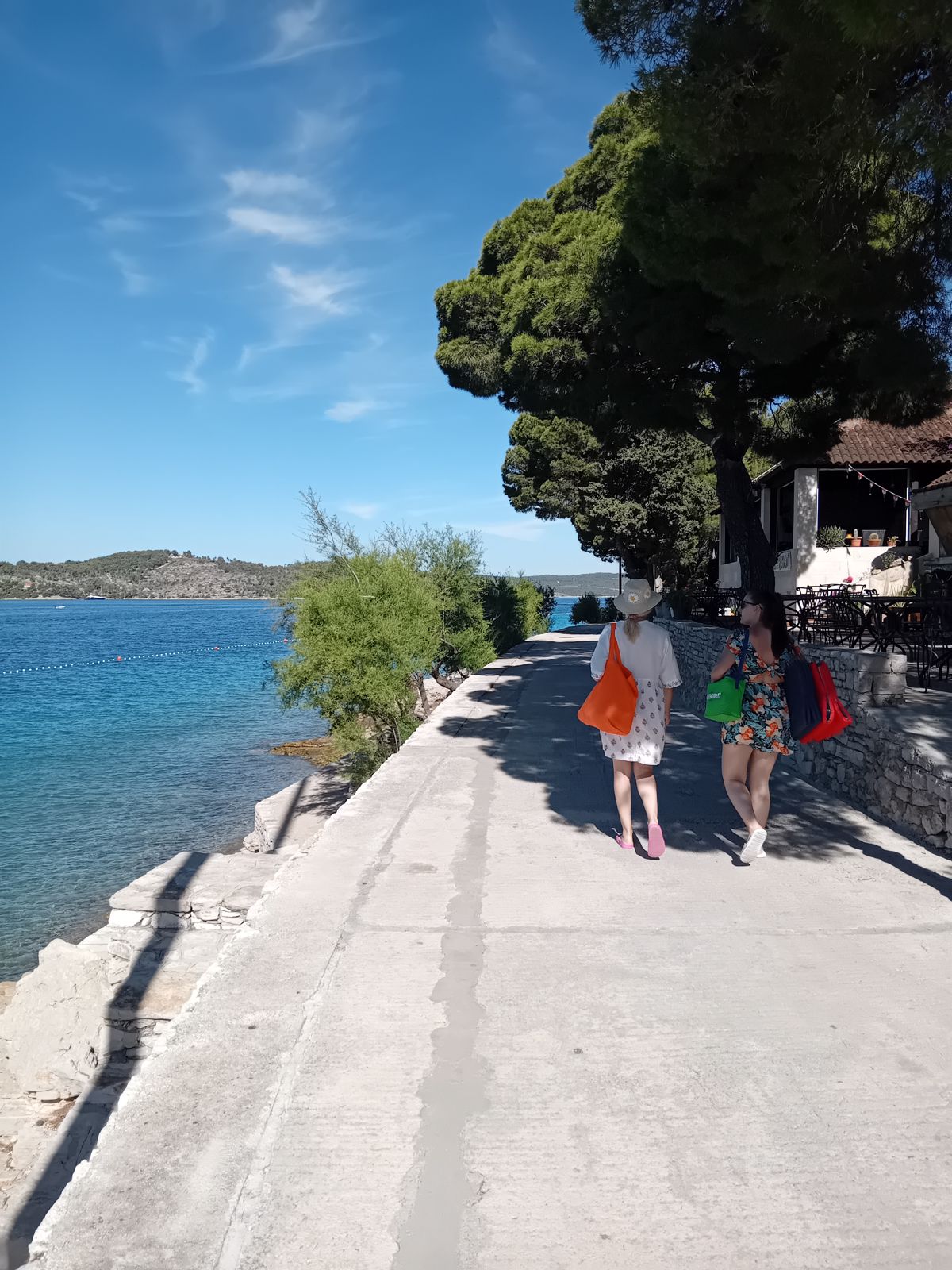
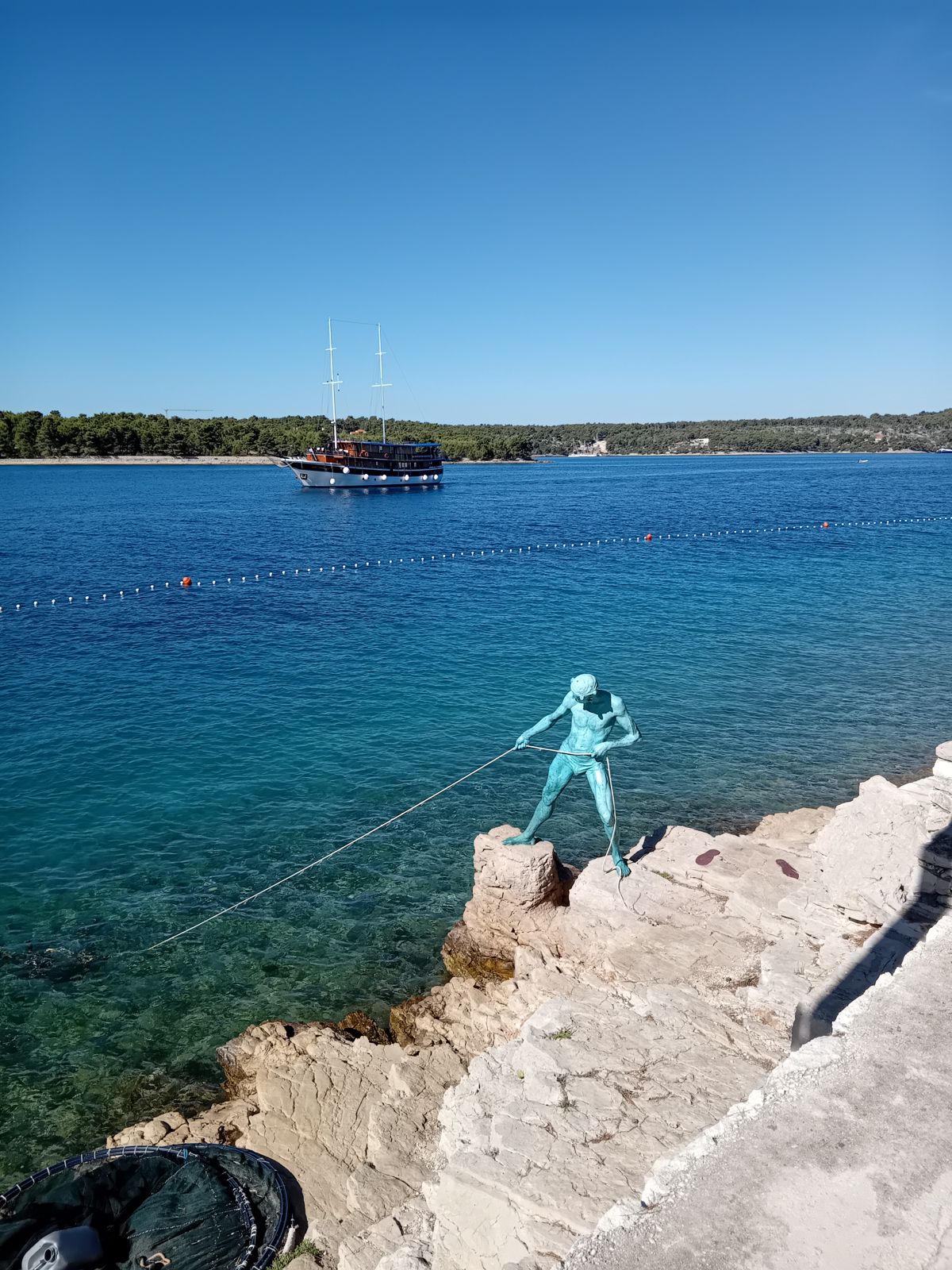
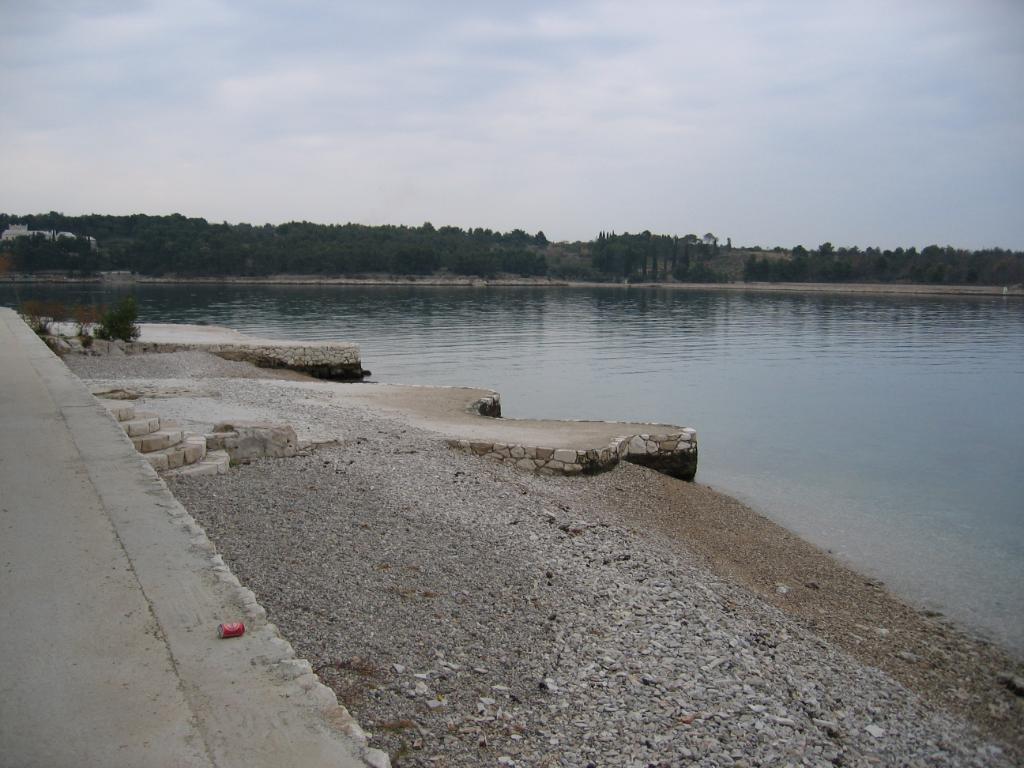
Vlaška is a partly managed beach with a rocky shore. It sits in town, and you get there by a surfaced road. The seabed drops away steeply, at over 25°. For anyone arriving by boat, there is mooring on the beach itself. In season it is usually quiet, and the prevailing wind blows from the north. There is no parking at the beach itself.
Beach facts
swimming buoys café bar shower auxiliary facilities mooring port
Beach profile: Croatian national bathing water portal (IZOR).
Quality history
Year-by-year table
| Season | Classification |
|---|---|
| 2025 | Excellent |
| 2024 | Excellent |
| 2023 | Excellent |
| 2022 | Excellent |
| 2021 | Excellent |
| 2020 | Excellent |
| 2019 | Excellent |
| 2018 | Excellent |
| 2017 | Excellent |
| 2016 | Excellent |
| 2015 | Excellent |
| 2014 | Excellent |
| 2013 | Excellent |
| 2012 | Excellent |
| 2011 | Excellent |
| 2010 | Excellent |
| 2009 | Excellent |
Sample statistics by season
| 2021 | 2022 | 2023 | 2024 | |
|---|---|---|---|---|
| Samples taken | 40 | 40 | 40 | 40 |
| E. coli, 95th percentile (CFU/100 ml) | 10 | 23 | 33 | 40 |
| Intestinal enterococci, 95th pct. (CFU/100 ml) | 11 | 18 | 25 | 26 |
EU thresholds for an "Excellent" coastal rating: E. coli ≤ 250, enterococci ≤ 100 CFU/100ml (95th percentile).
Places to stay in Milna
Activity links are affiliate links: booking through them supports this site at no extra cost to you.
Classifications follow the EU Bathing Water Directive: each season's rating is based on the last four seasons of samples. Source: European Environment Agency / Croatian national monitoring (Institute of Oceanography and Fisheries).