Uvala Malo more
Coastal beach in Otok Krk, Kvarner · view on map
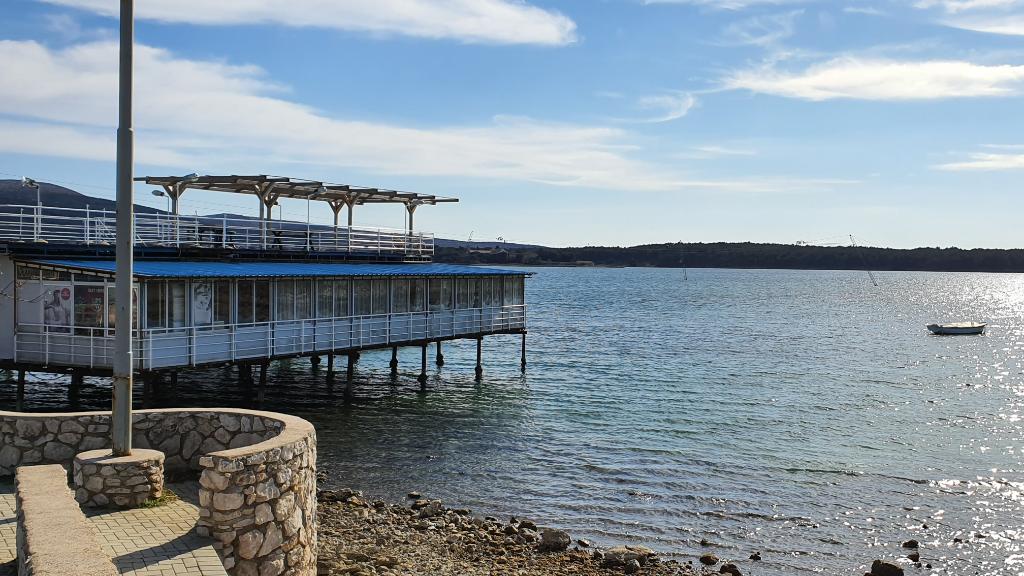
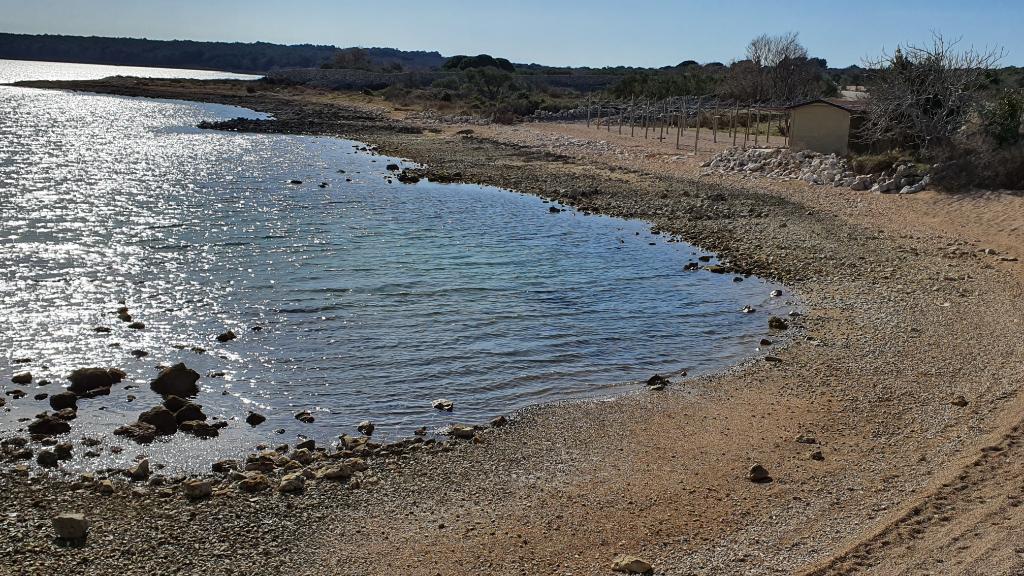
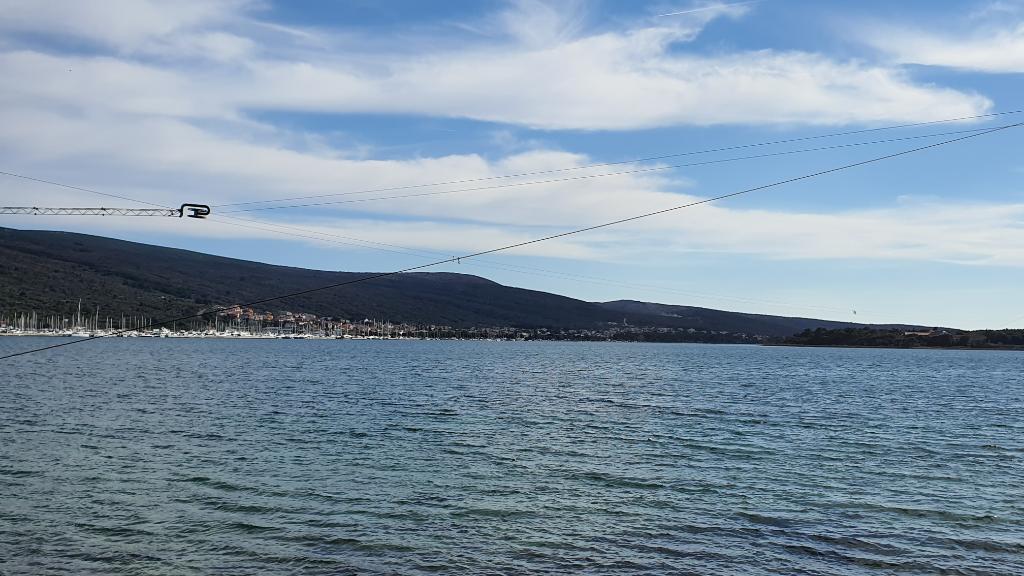
Uvala Malo more is a natural beach with a rocky shore. It sits outside any built-up area, and you get there on foot, by a footpath. There is no parking at the beach itself. The seabed drops away gently, at under 15°. In season it is usually quiet, and the prevailing wind blows from the north-east.
Beach facts
trashcan
Beach profile: Croatian national bathing water portal (IZOR).
Quality history
Year-by-year table
| Season | Classification |
|---|---|
| 2025 | Excellent |
| 2024 | Excellent |
| 2023 | Excellent |
| 2022 | Excellent |
| 2021 | Excellent |
| 2020 | Excellent |
| 2019 | Excellent |
| 2018 | Excellent |
| 2017 | Excellent |
| 2016 | Excellent |
| 2015 | Excellent |
| 2014 | Excellent |
| 2013 | Excellent |
| 2012 | Excellent |
| 2011 | Excellent |
| 2010 | Excellent |
| 2009 | Excellent |
Sample statistics by season
| 2021 | 2022 | 2023 | 2024 | |
|---|---|---|---|---|
| Samples taken | 40 | 40 | 40 | 40 |
| E. coli, 95th percentile (CFU/100 ml) | 6 | 6 | 6 | 7 |
| Intestinal enterococci, 95th pct. (CFU/100 ml) | 6 | 7 | 8 | 9 |
EU thresholds for an "Excellent" coastal rating: E. coli ≤ 250, enterococci ≤ 100 CFU/100ml (95th percentile).
Places to stay in Otok Krk
Activity links are affiliate links: booking through them supports this site at no extra cost to you.
Classifications follow the EU Bathing Water Directive: each season's rating is based on the last four seasons of samples. Source: European Environment Agency / Croatian national monitoring (Institute of Oceanography and Fisheries).